We are often asked what are the common rear end accident injuries.
If you were recently injured from getting rear-ended while stopped, you should speak with an attorney to discuss your injuries.
Our firm offers free consultations and will hear your story about your rear-ended collision injuries.
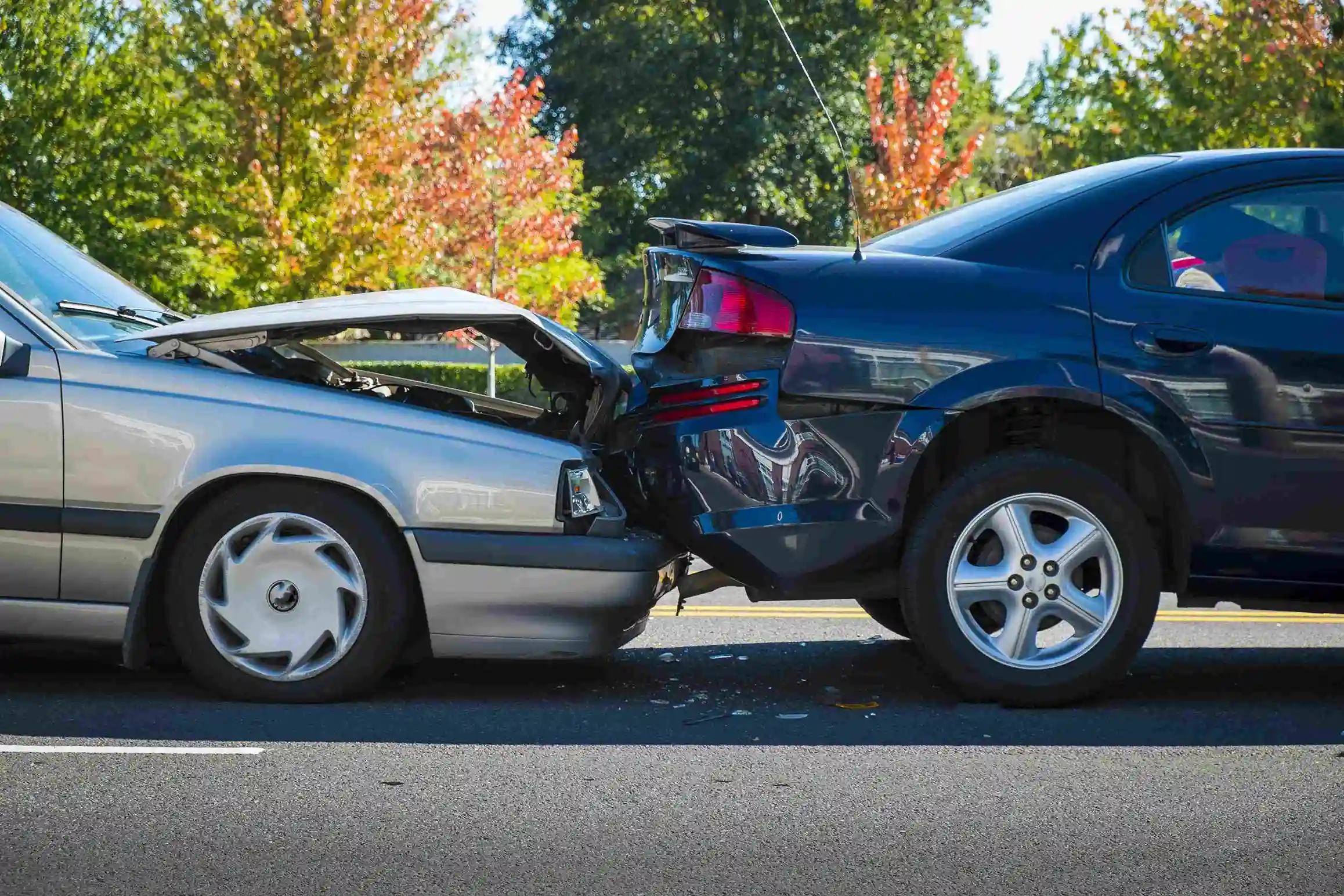
While car accidents happen in a variety of ways, most occur when one vehicle crashes into the back of another.
Around 29% of all car crashes are rear-end collisions. These collisions, where one vehicle strikes the rear of another, are the most common type of crash on the roads. They can result in significant injuries, including fatal ones.
Around 595,000 of these crashes had a reported injury, while 2,346 of them involved a fatality.
From this, it’s clear that getting rear-ended while stopped is particularly dangerous compared to other accident types.
You can consult with a collision attorney after being rear-ended to get started on your collision claim. Our lawyers created a car accident guide to help you in this situation.
If you’re involved in a car accident where you were rear-ended while stopped, you have rights to seek compensation for various damages, including medical expenses, lost income, vehicle repairs, and emotional distress.
Tawney, Acosta & Chaparro P.C.’s Arizona, Texas, and New Mexico auto accident lawyers are experienced in assisting victims of rear-end collisions, ensuring they receive the full compensation they deserve.
Common rear end accident injuries include whiplash, neck and back injuries, herniated discs, concussions, soft tissue injuries, broken bones, and traumatic brain injuries (TBIs). Because a rear-end collision forces the body and head to move suddenly, these injuries may not appear immediately and can worsen over the following hours or days.
Key Points
Rear-end collisions account for about 29% of all car crashes, with nearly one-third of those resulting in reported injuries and a small percentage involving fatalities.
Common rear end accident injuries include whiplash, spinal injuries, and traumatic brain injuries (TBIs), all of which can result in significant pain and long-term impairment.
Distracted driving is responsible for approximately 87% of rear-end crashes. Tailgating, poor road conditions, and bad visibility are additional major contributing factors to these accidents.
I Rear-ended Someone Who Stopped Suddenly. Who’s at Fault?
If you rear-ended someone who stopped suddenly, you might argue that the other driver was at fault. Sudden stops without reason can shift the blame.
Here are some factors to consider:
No Apparent Reason: If the driver ahead stopped abruptly without any clear cause.
Unsafe Conditions: The stop created a hazardous situation.
Traffic Violations: The other driver violated traffic laws by stopping suddenly.
Common rear end accident injuries, like whiplash, soft tissue strains, headaches, and back pain, can show up hours or even days later. The goal right now is simple: protect your health first and don’t ignore new symptoms as they appear.
Typically, the driver who rear-ends a stopped car is considered at fault in such accidents.
Regardless of whether the front vehicle stopped suddenly or for other reasons, the responsibility for the collision generally lies with the driver who fails to maintain a safe distance or fails to react appropriately to the stopped vehicle.
In Texas, a driver brake-checking without justification in a rear-end accident may be held liable. Dashcam footage or witness testimony is often crucial to establish fault.
What Is the Cause of Most Rear-Ended Collision Injuries?
The cause for most rear ended collision injuries can vary, but we wanted to list a few in which our law firm has come across.
Much like any auto accident, there are several conditions that cause rear-end crashes. However, most occur when the driver in the front slows down or stops, and the driver behind them isn’t prepared.
With this in mind, most rear-end accidents, and common injuries from being rear ended happen due to:
Rear end crashes are the most common because of the prevalence of distracted driving. According to a report by the National Transportation Safety Board (NTSB), distracted driving accounts for 87% of rear-end collisions. This type of crash occurs when a driver fails to notice the vehicle in front of them in time to slow down or stop, leading to a collision.
Poor road conditions,
Bad brakes,
Worn tires, and
Low visibility.
In many of these situations, the driver following behind negligently ignores their surroundings or drives aggressively. This often results in a serious crash, especially if the motorists are traveling at high speeds.
For this reason, more than a quarter of all rear-end collisions result in serious injuries.
Were you injured in a rear-end accident? We have helped many people in your position win and will guide you every step of the way. But time is limited - don't let the chance pass for you to get compensated. Call today.
So, what happens to your body in a rear-end collision? Usually, the force from the impact causes the body to jerk forward without warning.
This is why safety mechanisms like seatbelts and airbags are important. Without them, the victim may hit the steering wheel, dashboard, or windshield with violent force, causing serious injury or death.
However, even though these precautions help prevent life-threatening injuries, they can’t nullify all of the energy transferred to your body from the crash.
As a result, your head, neck, spine, and limbs may whip back and forth, causing soft tissue injuries or worse.
If the impact is strong enough, these safety precautions may fail, leading to a severed spinal cord or serious organ damage.
Most Common Rear End Accident Injuries
Whether a rear-end accident happens at low or high speed, the chance of an injury is significant.
While these injuries range in severity, they all result in a painful or difficult healing process.
Here are some of the most common injuries from a rear-end collision and their symptoms.
Whiplash
Being the most common injury in a car accident, it’s no surprise that whiplash poses a huge problem in rear-end crashes.
This injury occurs when the soft tissues in the head, neck, and shoulders strain or tear due to excessive movement.
Symptoms of whiplash from a rear-end collision typically include stiffness, pain, weakness, numbness, and headache.
Spinal Injuries
Back injuries, particularly those involving the spinal cord, are among the most severe.
When the human spine takes more pressure or stress than it’s meant to withstand, it may fracture vertebrae or cause herniated discs.
In severe cases, this may result in paralysis of the lower limbs. It might also cause other symptoms like weakness, numbness, nerve pain, or pressure throughout the body.
Traumatic Brain Injuries
Almost all impacts or sudden movements of the head cause a traumatic brain injury (TBI).
Perhaps the most common is a concussion, which occurs when the brain hits the inside of the skull.
While this may not seem serious at first, concussions can lead to cognitive issues, confusion, loss of balance, behavioral changes, and uncontrollable drowsiness.
Among all long-term injuries from rear-end collisions, traumatic brain injuries (TBIs) are some of the most unpredictable and severe.
What to Expect After Being Rear-Ended
After a rear-end accident, seek medical attention as soon as possible. Many common rear-end injuries can lead to serious complications.
Some injuries don’t present symptoms at first, even if they’re serious, so it’s better to be safe than sorry.
When examined, you can expect several diagnostic tests such as X-rays, CT scans, etc.
After you receive a diagnosis, your doctor may prescribe medication for inflammation and set up a rehabilitation plan, especially if you have neurological or physiological symptoms.
Ready for Clarity After a Rear-End Accident?
If you’re searching for common injuries after being rear-ended, there’s a good chance you’re dealing with pain, uncertainty, and a lot of “What do I do next?” questions. You shouldn’t have to guess whether your symptoms are normal, wonder if you waited too long to get checked out, or feel pressured by insurance before you even understand your injury. Tawney, Acosta & Chaparro P.C. helps people in New Mexico, Texas, and Arizona take the next right step after rear end accidents.
1) Tell us what happened. We’ll listen, ask a few focused questions, and help you map the next step.
2) Protect the story of your injuries. We’ll help you organize documentation so whiplash, back pain, and concussion symptoms aren’t minimized.
3) Pursue a fair outcome. If the facts support it, we’ll help you move forward with a personal injury claim—without the runaround.
The goal isn’t drama—it’s resolution. You get a clear plan, a team that takes you seriously, and guidance that keeps you from being pushed into a quick settlement before the full picture is known. If you’re not sure whether you have a case, that’s exactly what a consultation is for.
Not all injuries are immediately noticeable. Conditions such as whiplash, herniated discs, soft tissue injuries, and even mild traumatic brain injuries may take hours or days before symptoms fully develop. If you begin experiencing pain, stiffness, headaches, or numbness after a crash, seek medical attention as soon as possible.
Yes. Some injuries may not produce immediate symptoms. A prompt medical evaluation can identify hidden injuries, begin appropriate treatment, and create medical records that may be important if you later pursue an insurance claim or personal injury case.
In many rear-end collisions, the driver who struck the vehicle from behind is often considered responsible because drivers are expected to maintain a safe following distance. However, every accident is different, and liability depends on the specific facts and available evidence.
Depending on the circumstances, compensation may include medical expenses, future treatment costs, lost income, reduced earning capacity, pain and suffering, property damage, and other losses recognized under applicable law.
If you’ve suffered injuries in a rear-end collision, speaking with an attorney early can help protect important evidence, handle communications with insurance companies, and explain your legal options. This can be especially valuable if liability is disputed or your injuries become more serious over time.
James Tawney is a dedicated advocate for injury victims throughout the Southwest. Born and raised in Arizona, he graduated summa cum laude from Northern Arizona University before earning his law degree from Texas Tech University School of Law. In 2016, James co-founded Tawney, Acosta & Chaparro P.C., where he continues to focus on protecting the rights of individuals and families harmed by negligence.