Los accidentes automovilísticos siempre son estresantes, pero las colisiones por alcance pueden resultar especialmente frustrantes. En un momento estás parado en un semáforo o reduciendo la velocidad por el tráfico, y al siguiente, alguien que no ha frenado a tiempo te empuja hacia delante. Mucha gente da por sentado que la culpa siempre es del conductor que viene detrás. Sin embargo, la responsabilidad en un accidente por alcance depende de algo más que la posición de los vehículos.
En esta entrada, nuestros abogados especializados en accidentes de tráfico de Nuevo México, Arizona y Texas explican las causas más comunes de las colisiones por alcance, cómo se suele determinar la responsabilidad, cuándo el conductor que va delante puede compartir la responsabilidad y qué hacer si sufres una lesión en una colisión por alcance.
Para una consulta gratuita, llame al (575) 222-1000 o rellene nuestro formulario en línea hoy mismo.
Puntos clave
- Presunción de culpa en colisiones por alcance: Por lo general, se presume que el conductor que circula detrás es culpable por no mantener una distancia de seguridad adecuada o por no reaccionar ante el tráfico que circula delante.
- Responsabilidad compartida o transferida: la culpa puede cambiar si el conductor principal fue negligente (por ejemplo, frenada brusca sin motivo, marcha atrás o luces de freno rotas).
- Demostrar la responsabilidad es importante: utilice informes policiales, testigos, cámaras de salpicadero/vídeos y patrones de daños; evite admitir la culpa y consulte a un abogado lo antes posible.
Si alguien te choca por detrás, ¿quién tiene la culpa?
En la mayoría de los casos, la respuesta parece sencilla: el conductor trasero. Pero si su vehículo tenía luces defectuosas, se detuvo de forma insegura o hubo otros factores inusuales, es posible que usted también tenga parte de la culpa.
Lo importante es no dar nada por sentado y no admitir culpa antes de hablar con un abogado. Cada caso es único, e incluso los detalles más sutiles pueden afectar la indemnización a la que tiene derecho.
Causas comunes de las colisiones por alcance
Los choques por alcance pueden parecer sencillos, pero las causas que los provocan pueden variar. Conocer las causas más comunes puede ayudarte a identificar quién puede ser el responsable y si tienes motivos para presentar una reclamación legal. A continuación se enumeran algunos de los factores más habituales a la hora de determinar la responsabilidad en los accidentes por alcance en Arizona, Texas, Nuevo México y otros lugares.
1. Seguir demasiado de cerca
La mayoría de los choques por alcance son causados por conductores que no mantienen una distancia suficiente entre los vehículos. Si el conductor trasero conduce muy cerca del vehículo delantero, está distraído o conduce de forma agresiva, es probable que no tenga tiempo para frenar de forma segura cuando el tráfico se ralentiza.
Esta es una de las formas más evidentes de culpa en una colisión por alcance, y las compañías de seguros suelen dar por hecho que la culpa es del conductor que circula por detrás. En Texas, Arizona y Nuevo México, todos los conductores tienen la obligación de mantener una distancia de seguridad con el vehículo de delante. El incumplimiento de esta obligación suele acarrear responsabilidad legal por el accidente.
2. Conducción distraída
Las colisiones por alcance suelen producirse cuando el conductor trasero está distraído, por ejemplo, enviando mensajes de texto, cambiando la emisora de radio, buscando algo o sin prestar atención a la carretera.
Incluso unos pocos segundos de distracción pueden marcar la diferencia entre frenar con seguridad y provocar un accidente grave. La culpa suele quedar clara cuando el conductor trasero admite haberse distraído o los registros telefónicos lo confirman.
3. Exceso de velocidad o conducir demasiado rápido para las condiciones
Un conductor no tiene que exceder el límite de velocidad establecido para ser considerado negligente. Si las condiciones de la carretera o meteorológicas requieren reducir la velocidad y el conductor que circula detrás no lo hace, este puede seguir siendo responsable.
Por ejemplo, frenar lleva más tiempo cuando llueve, hay niebla o hay mucho tráfico. Los conductores que van demasiado rápido para reaccionar a tiempo pueden ser los culpables de un choque por detrás.
4. Paradas repentinas o comprobación de los frenos
¿Cuándo una colisión por alcance no es culpa tuya? A veces, el conductor que va delante frena bruscamente sin motivo aparente, ya sea intencionadamente o por distracción. Uno de los ejemplos más claros es cuando el conductor que va delante crea una situación de peligro, como frenar bruscamente o detenerse en el tráfico sin motivo.
En estos casos, la responsabilidad puede recaer sobre el conductor principal, pero es probable que necesite declaraciones de testigos, grabaciones de vídeo o una investigación pericial para demostrarlo.
5. Luces de freno rotas o que no funcionan
Cuando las luces de freno no funcionan, el conductor que va detrás puede no saber que el coche de delante está reduciendo la velocidad o frenando. Esto podría afectar a la culpa si te chocaran por detrás y tus luces de freno no funcionaran.
En estos casos, la responsabilidad puede ser compartida o transferida. Aunque el conductor trasero sigue estando obligado a mantener la distancia, una luz de freno que no funciona puede debilitar la reclamación del conductor delantero.
6. Cambios de carril o marcha atrás inseguros
No todos los choques por alcance ocurren mientras se conduce en línea recta. Si el conductor que va delante se incorpora de forma insegura, corta el paso a otro coche o da marcha atrás repentinamente, puede ser total o parcialmente responsable.
Los choques por alcance que se producen durante una incorporación fallida, un giro en U inadecuado o una marcha atrás repentina suelen requerir el testimonio de testigos o imágenes de cámaras para determinar quién es realmente el culpable.
7. Choques múltiples
La culpa puede ser complicada en un choque en cadena en el que se ven involucrados tres o más vehículos. A veces, un impacto trasero empuja al coche delantero contra el que va delante. En esos casos, es posible que el conductor del medio no tenga ninguna culpa. El conductor trasero original podría ser considerado responsable de todos los daños.
Determinar quién tiene la culpa en un accidente por alcance como este depende de la secuencia de impactos, los patrones de frenado y la disponibilidad de imágenes de vigilancia o testimonios de testigos.
¿Ha sufrido lesiones en un accidente por alcance en Nuevo México, Arizona o Texas? Nuestro equipo jurídico de Tawney, Acosta & Chaparro P.C. está a su disposición.
¿Cómo se determina la responsabilidad en los accidentes por alcance?
En Texas, Arizona y Nuevo México, la responsabilidad se basa en la negligencia. Esto significa que el tribunal o la compañía de seguros valorarán si cada conductor actuó con la diligencia debida y si sus acciones contribuyeron al accidente.
Las pruebas utilizadas para demostrar la culpa pueden incluir:
- Informes policiales,
- Imágenes de cámaras de salpicadero o cámaras de tráfico.
- Fotografías de los daños del vehículo y del estado de la carretera.
- Registros de inspección de vehículos,
- Declaraciones de testigos, y
- Registros telefónicos en casos de conducción distraída.
Su abogado utilizará estas pruebas para construir un caso sólido y rechazar cualquier acusación injusta.
Qué hacer después de un accidente por alcance
Si has sufrido un choque por alcance, sigue estos seis pasos para proteger tu salud y tus derechos legales:
- Llame a la policía y solicite un informe.
- Busque atención médica de inmediato.
- Toma fotos y graba vídeos.
- Intercambiar información,
- No admitas tu culpa, y
- Póngase en contacto con un abogado lo antes posible.
Saber qué hacer después de un accidente puede ayudar a preservar las pruebas y mejorar el resultado de su reclamación.
Ponte en contacto con un abogado especializado en accidentes por alcance en Texas, Arizona o Nuevo México
Entonces, ¿quién es el responsable en un accidente por alcance? Las colisiones por alcance pueden parecer sencillas, pero la responsabilidad no siempre está clara. Necesitas a alguien de tu lado que sepa cómo demostrar la culpa y que conozca bien la legislación específica de Texas, Arizona y Nuevo México.
En Tawney, Acosta & Chaparro P.C., ofrecemos una defensa enérgica a las víctimas de lesiones en ambos estados. Nuestro equipo aporta a cada caso su conocimiento del entorno local, su experiencia en juicios y una comunicación clara. Nos tomamos el tiempo necesario para escuchar, investigar a fondo y luchar por la indemnización completa que te mereces.
Si alguien te chocó por detrás y no estás seguro de qué hacer a continuación, ponte en contacto con nuestro equipo en línea o llama al (575) 222-1000. Te explicaremos tus derechos, te guiaremos en los pasos a seguir y lucharemos para recuperar cada dólar que te deben, para que puedas concentrarte en tu recuperación y no en el papeleo.
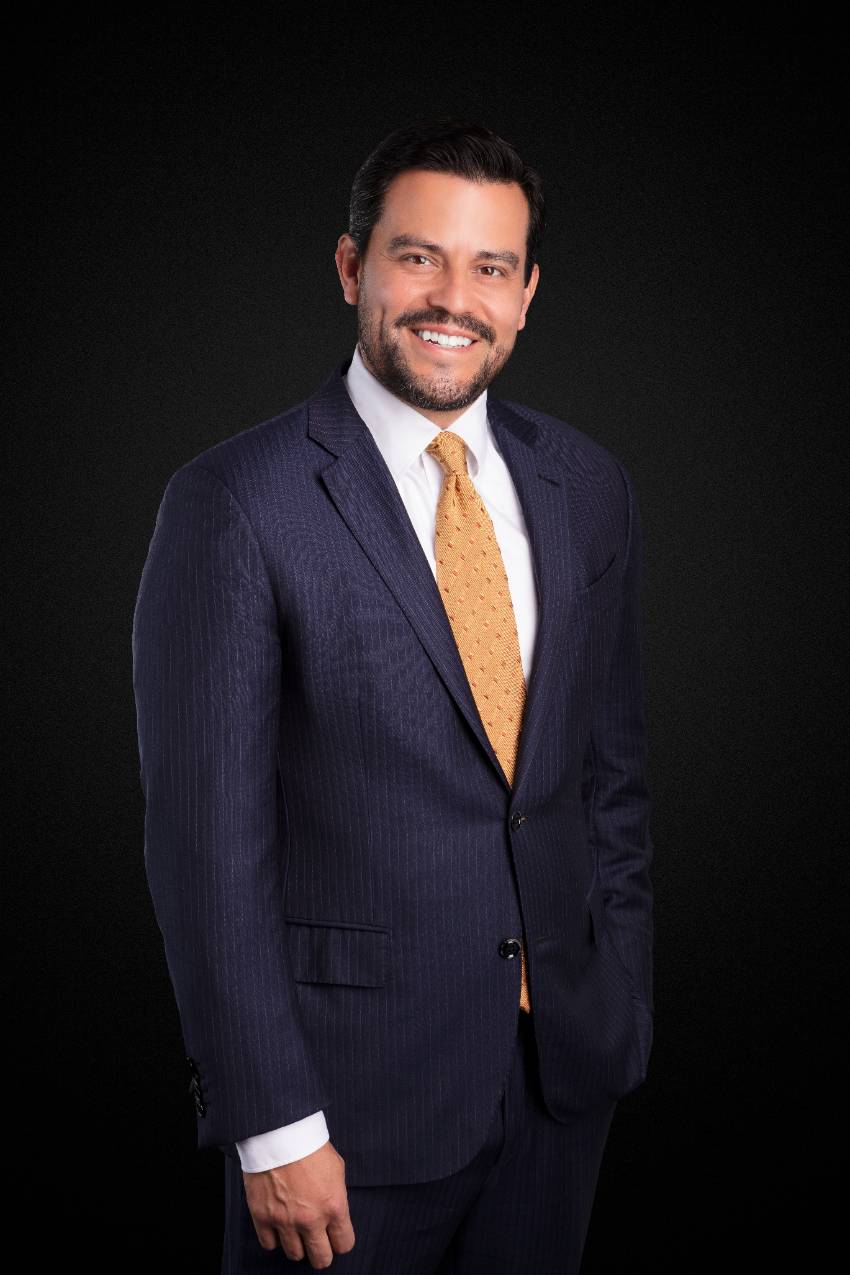
Alejandro Acosta es residente de El Paso desde siempre y un abogado litigante experto con amplia experiencia en los tribunales de Texas y Nuevo México. Se graduó en Cathedral High School y posteriormente en St. Mary's University, antes de obtener su título de Juris Doctor en la Facultad de Derecho Sandra Day O'Connor de la Universidad Estatal de Arizona, junto con un Certificado Jurídico Indígena por su trabajo con las naciones tribales. Con licencia en Texas desde 2008 y en Nuevo México desde 2011, Alejandro cofundó Tawney, Acosta & Chaparro P.C. para defender a las personas y familias que buscan justicia tras sufrir lesiones graves.
Valora esta publicación
★
★
★
★
★
¡Sé el primero en valorarlo!