


Car accidents are always stressful, but rear-end collisions can feel particularly frustrating. One moment you’re stopped at a light or slowing down for traffic, the next, you’re jolted forward by someone who didn’t stop in time. Many people assume the rear driver is always to blame. However, who is at fault in a rear-end accident depends on more than just vehicle positions.
In this post, our New Mexico and Texas car accident attorneys explain the common causes of rear-end crashes, how fault is typically determined, when the lead driver may share responsibility, and what to do if you suffer an injury in a rear-end collision.
For a free consultation, please call (575) 222-1000 or fill out our online form today.
Key Takeaways
- Rear-end fault presumption: The trailing driver is usually presumed at fault for not maintaining a safe following distance or reacting to traffic ahead.
- Shared or shifted liability: Fault can change if the lead driver was negligent (e.g., sudden stop without cause, reversing, or broken brake lights).
- Proving liability matters: Use police reports, witnesses, dash-cam/video, and damage patterns—avoid admitting fault and consult an attorney promptly.
If Someone Rear-Ends You, Who Is at Fault?
In most cases, the answer seems simple: the rear driver. But if your vehicle had faulty lights, you stopped in an unsafe manner, or other unusual factors were involved, you may share fault.
The important thing is not to assume anything and not to admit fault before speaking to an attorney. Every case is unique, and even the most subtle details can impact the compensation you’re entitled to.
Common Causes of Rear-End Collisions
Rear-end crashes may seem simple, but the reasons behind them can vary. Understanding the most common causes can help you identify who may be responsible and whether you have grounds for a legal claim. Below are some of the most common factors when determining rear-end accident fault in Texas, New Mexico, and beyond.
1. Following Too Closely
Most rear-end crashes are caused by drivers who fail to maintain a sufficient distance between vehicles. If the rear driver is tailgating, distracted, or driving aggressively, they likely won’t have time to stop safely when traffic slows.
This is one of the clearest forms of rear-end collision fault, and insurance companies typically presume that the rear driver is at fault. In Texas and New Mexico, all drivers have a duty to maintain a safe following distance. Failing to do so often results in legal liability for the crash.
2. Distracted Driving
Rear-end collisions commonly occur when the rear driver is distracted, such as texting, changing the radio, reaching for something, or not paying attention to the road.
Even a few seconds of distraction can mean the difference between stopping safely and causing a serious crash. The fault is usually clear when the rear driver admits to being distracted or phone records confirm it.
3. Speeding or Driving Too Fast for Conditions
A driver doesn’t have to be exceeding the posted speed limit to be considered negligent. If road or weather conditions require slower speeds and the rear driver fails to adjust, they may still be liable.
For example, braking takes longer in rain, fog, or heavy traffic. Drivers who are moving too fast to react in time can be at fault for a rear-end collision.
4. Sudden Stops or Brake-Checking
When is a rear-end collision not your fault? Sometimes the lead driver slams on the brakes for no apparent reason, either intentionally or due to distraction. One of the clearest examples is when the lead driver creates an unsafe situation, such as brake-checking or stopping in traffic without cause.
The burden may fall in these cases on the lead driver, but you’ll likely need witness statements, video footage, or an expert investigation to prove it.
5. Broken or Non-Functioning Brake Lights
When brake lights don’t work, the driver behind may not know that the lead car is slowing or stopping. This could affect fault if you were rear-ended and your brake lights were out.
In these cases, liability may be shared or shifted. While the rear driver is still required to maintain distance, a non-functioning brake light can weaken a lead driver’s claim.
6. Unsafe Lane Changes or Reversing
Not all rear-end crashes happen while driving in a straight line. If the lead driver merges unsafely, cuts off another car, or reverses suddenly, they may be fully or partially responsible.
Rear-end crashes happening during a failed merge, improper U-turn, or sudden backing often require witness testimony or camera footage to determine who is truly at fault.
7. Multi-Car Pileups
Fault can be complicated in a chain-reaction crash involving three or more vehicles. Sometimes, one rear-end impact pushes the lead car into the one in front. In those cases, the middle driver may not be at fault at all. The original rear driver could be held responsible for all damage.
Determining who is at fault in a rear-end accident like this depends on the sequence of impacts, braking patterns, and availability of surveillance footage or witness accounts.
How Fault Is Determined?
In both Texas and New Mexico, fault is based on negligence. That means the court or insurance company will look at whether each driver acted with reasonable care and whether their actions contributed to the crash.
Evidence used to prove fault may include:
- Police reports,
- Dash cam or traffic camera footage,
- Photographs of vehicle damage and road conditions,
- Vehicle inspection records,
- Witness statements, and
- Phone records in cases of distracted driving.
Your attorney will use this evidence to build a strong case and push back against any unfair blame.
What to Do After a Rear-End Accident
If you were involved in a rear-end crash, take these steps to protect your health and legal rights:
- Call the police and request a report,
- Get medical care right away,
- Take photos and video,
- Exchange information,
- Don’t admit fault, and
- Contact an attorney as soon as possible.
Knowing what to do after an accident can help preserve evidence and improve the outcome of your claim.
Contact a Rear-End Accident Lawyer in Texas or New Mexico
Rear-end collisions may seem straightforward, but liability isn’t always clear. You need someone in your corner who understands how to prove fault and is familiar with the specific laws in Texas and New Mexico.
At Tawney, Acosta & Chaparro P.C., we provide aggressive representation for injury victims across both states. Our team brings local insight, trial experience, and clear communication to every case. We take the time to listen, investigate thoroughly, and push for the full compensation you deserve.
If someone rear-ended you and you’re unsure what comes next, contact our team online or call (575) 222-1000. We’ll explain your rights, guide your next steps, and fight to recover every dollar you’re owed so that you can focus on healing, not paperwork.
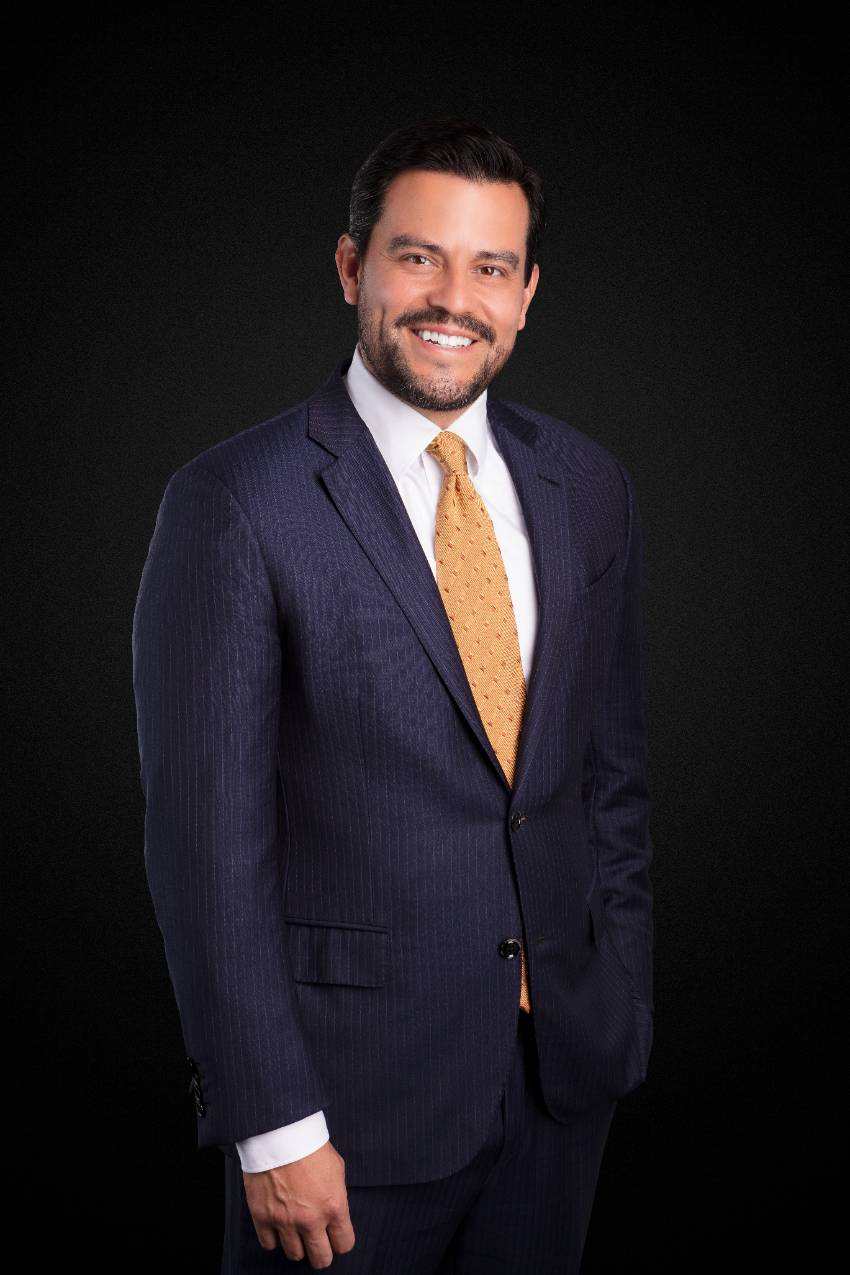
Alejandro Acosta
Alejandro Acosta is a lifelong El Paso resident and a skilled trial lawyer with extensive experience in Texas and New Mexico courts. He graduated from Cathedral High School and later St. Mary’s University before earning his J.D. from the Sandra Day O’Connor College of Law at Arizona State University, along with an Indian Legal Certificate for his work with tribal nations. Licensed in Texas since 2008 and New Mexico since 2011, Alejandro co-founded Tawney, Acosta & Chaparro P.C. to advocate for individuals and families seeking justice after serious injuries.
Rate this Post


 Loading...